Table of contents
The emergence of free AI models has rapidly transformed the landscape of creative industries, sparking a wave of innovation and disruption. As barriers to advanced technology continue to fall, artists, designers, and creators are discovering new ways to express themselves and reach broader audiences. Dive into the following paragraphs to uncover how these freely accessible tools are reshaping creative workflows, challenging traditional norms, and unlocking new possibilities for both individuals and businesses.
The democratization of creativity
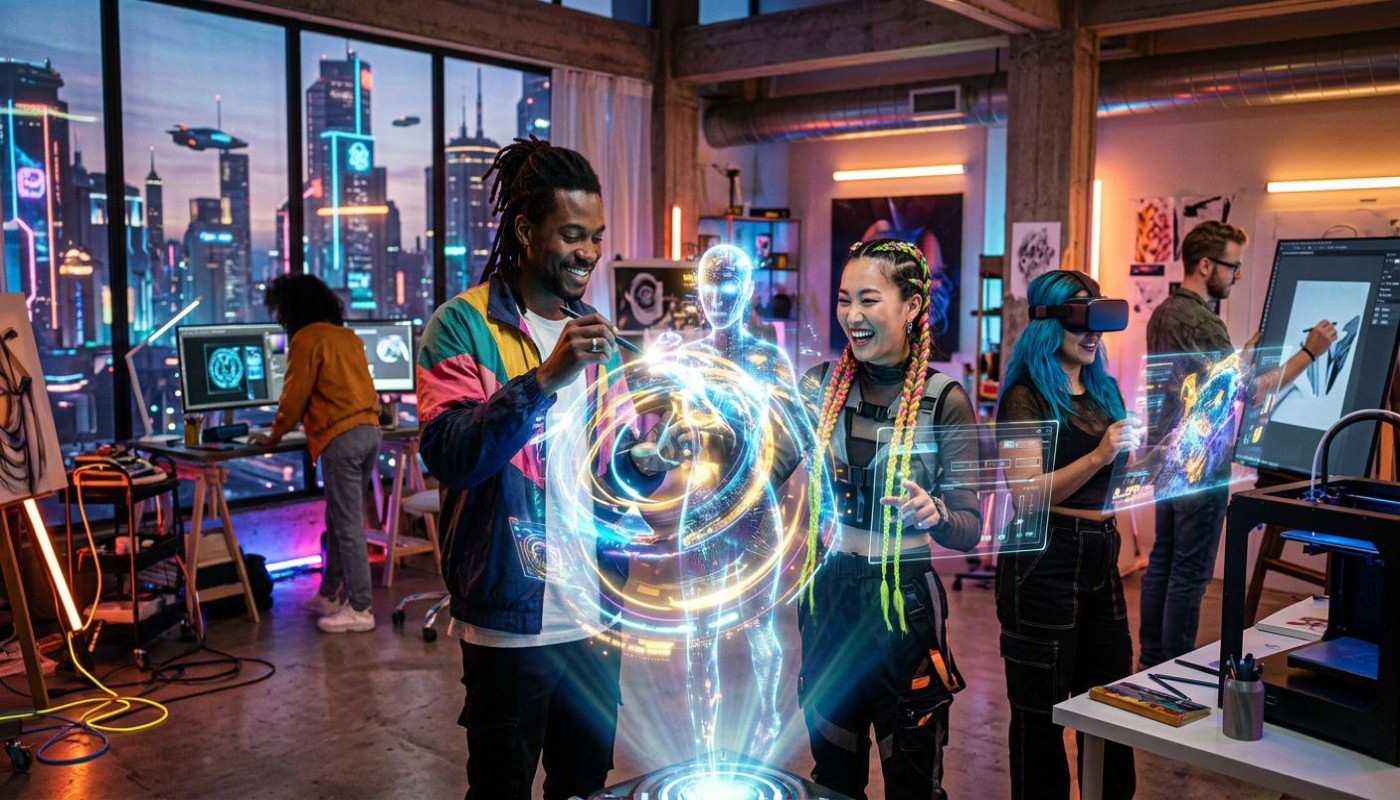
The widespread availability of free AI models is rapidly accelerating the democratization of creativity, transforming the digital landscape for both independent artists and small enterprises. Open-access technology—often built upon open-source neural networks—has shifted creative empowerment from a privilege of those able to afford proprietary, high-cost software to a much broader audience. This shift enables individuals and small teams to harness sophisticated creative tools that were once exclusive, facilitating digital inclusion and fostering diversity within creative industries.
With open-access technology lowering entry barriers, independent artists now find themselves equipped to produce high-quality content, experiment with new mediums, and compete in markets historically dominated by large studios. The adoption of open-source neural networks underpins this accessibility, providing robust frameworks for music, visual arts, design, and storytelling. As a result, creative empowerment extends well beyond traditional boundaries, enabling a surge of innovative output and allowing voices from varied backgrounds to thrive in a digitally connected ecosystem marked by the democratization of creativity.
Transforming artistic workflows
Free AI art tools have significantly redefined digital production, providing artists and designers with advanced capabilities for workflow optimization. These tools harness the power of generative algorithms, including the sophisticated generative adversarial networks, to automate repetitive tasks and accelerate creative automation. By integrating AI-powered solutions into established creative workflows, professionals can move seamlessly from ideation to polished output, accessing automated suggestions, dynamic asset creation, and intelligent editing features. This not only enhances efficiency but also preserves the integrity of original creative intent, enabling artists to maintain their unique voices while benefiting from technological innovation.
Moreover, free AI models foster unprecedented forms of collaboration, as interdisciplinary teams leverage shared resources and AI-driven insights for innovative outcomes. The democratization of advanced digital production tools encourages diverse participation, breaking down traditional entry barriers in the creative sector. For those seeking a deeper understanding of how these technologies influence creative processes, this great post to read provides further insights and practical examples from the field, illustrating the ongoing evolution of workflow optimization powered by AI.
Redefining intellectual property rights
Free AI models have rapidly transformed the conversation around intellectual property, sparking debates about creative ownership, attribution, and digital rights within the creative industries. As AI-generated works become increasingly sophisticated, copyright challenges arise regarding the authorship and ownership of content produced by algorithms rather than humans. Current legal frameworks struggle to define the boundaries of protection for such outputs, with content provenance emerging as a critical concept in establishing the origin and legitimacy of creative material. Legislators, courts, and regulatory bodies are actively exploring policy updates to address these gaps, acknowledging that traditional notions of copyright and authorship often fail to accommodate the collaborative and algorithmic nature of AI-generated content.
Creators and organizations are adapting by developing new attribution models, licensing agreements, and digital rights management systems tailored to AI-generated works. Some industries are experimenting with blockchain solutions to document content provenance and assign clear creative ownership, while others advocate for updated copyright laws that recognize both human and machine contributions. Amid these ongoing developments, the creative sector faces continuous uncertainty as stakeholders weigh the benefits of open, collaborative innovation against the risks of diminished control and unauthorized use. These evolving legal and technological responses aim to balance the interests of artists, developers, and the public in an era shaped by the widespread availability of free AI tools.
Economic opportunities and challenges
Free AI models are reshaping the creative economy by enabling rapid content generation and lowering entry barriers for both established firms and independent creators. This democratization introduces new revenue streams, especially through digital monetization strategies such as subscription platforms, on-demand content, and personalized services. As these technologies proliferate, the platform economy becomes even more central, fostering ecosystems where creators, consumers, and AI tools interact seamlessly. Market disruption is evident as traditional creative labor is increasingly augmented or replaced by AI-generated outputs, challenging established roles and urging creatives to differentiate through unique skills or hybrid practices. New business models are emerging, with firms shifting from single-sale products to ongoing engagement and licensing arrangements, responding dynamically to evolving consumer expectations and technological advancements. Adaptation is now a necessity, with success hinging on the ability to leverage AI while maintaining human creativity and authenticity as valuable assets in this rapidly changing landscape.
Navigating ethical and social impacts
The rapid integration of free AI models into creative industries raises complex challenges surrounding AI ethics and social responsibility. Concerns about creative bias are particularly pronounced, as algorithmic systems can inadvertently reinforce stereotypes or exclude minority perspectives due to limitations in their training data. Algorithmic transparency is necessary to ensure stakeholders understand how decisions are made and to foster trust in the creative output generated by AI. This transparency aids in scrutinizing both the training process and the continual evolution of these models, helping to identify and mitigate sources of bias that could impact representation within music, art, literature, and media.
To address these challenges, it is vital to establish ethical frameworks that prioritize inclusive technology and guide responsible use. Such frameworks should encourage rigorous auditing of AI models, public involvement in evaluating creative outputs, and multidisciplinary oversight that brings together ethicists, technologists, and creators. Open public discourse around the societal impact of these tools fosters a culture of accountability and helps ensure that AI-driven creativity does not perpetuate existing inequalities. By adopting a proactive approach to AI ethics, creative industries can better harness the benefits of free AI models while upholding values of diversity, inclusion, and fairness.
Similar
Engineering Myths Debunked By Everyday Fabrication Challenges
Under The Hood: How Ai Changes The Logic Of Software Comparison

Maximizing Academic Performance With AI-driven Study Assistants
Can AI Enhance Understanding Without Encouraging Cheating?
How To Leverage Social Media For Enhancing Your Website's Reach?
How To Optimize Cluster Performance Post-Kubernetes Upgrade?

Enhancing Workplace Productivity With A Mobile Booster For Office Environments
How Cloud Computing Is Revolutionizing Software Construction?
How AI-Powered Tools Are Revolutionizing Personal Photo Editing

How Secure, Ad-Free File Transfer Solutions Enhance User Experience

Understanding the impact of quantum computing on encryption and data security

How To Choose The Right Free Software For Nonprofit Management

Comparing Different Patch Management Tools For Linux Servers

Programmatic Advertising And AI Image Generation: A Perfect Match?

How Swiss Innovation Is Shaping Web and App Development

The Impact Of All-in-One Dashboards On Interdepartmental Collaboration

ChatGPT: The Next Big Thing in AI Technology

Understanding the Mechanisms Behind Anti-DDoS Programs

The Future of Customer Service: How Chatbots are Changing the Game

Unveiling Quantum Computing: A New Frontier
